Where Boots Stop and Pens Start: A Visitor Book Built for Highland Bothies
Photo: Missvain, CC0, via Wikimedia Commons
A bothy visitor book is not really a guestbook. It is a small piece of infrastructure. It sits near a door that opens onto weather, it gets picked up by people with cold hands, and it has to work when the light is poor and someone is already half out of their waterproofs. Get it right and it becomes a handover between strangers. Get it wrong and it becomes a soggy notebook with a broken spine.
The good news is that most of the decisions are made before anything goes to print. A few practical choices about binding, paper and prompts will do more for the book than a nicer cover ever will.
Start with the conditions, not the cover
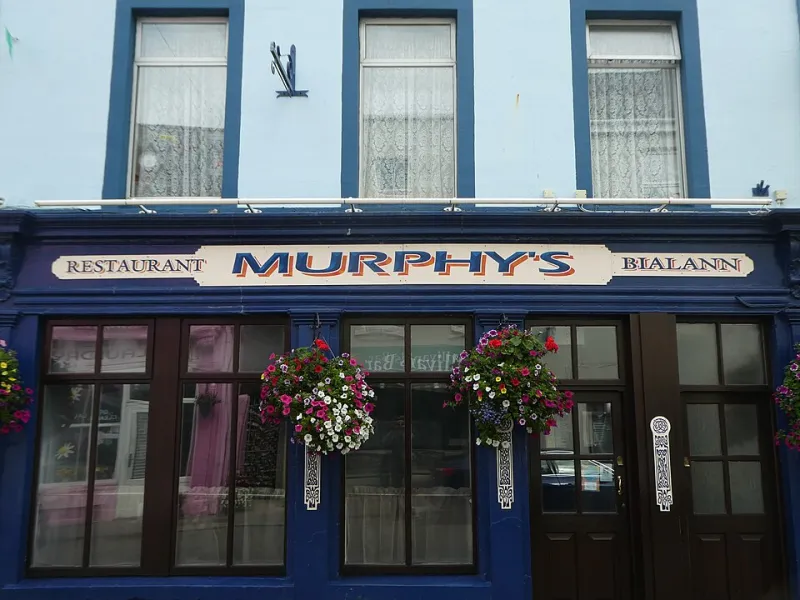
Think about where the book will actually live. A shelf by the door? A table in a bunkhouse? A counter in a rural café where the till is never far away? All three are hard on paper. Damp gloves, condensation from flasks, boot traffic and the habit of cramming a book back onto a shelf one-handed will test every part of it.
A book that opens easily and lies reasonably flat is more likely to be used than a stiff little volume that needs two hands and a clear table. But lay-flat binding is not the only measure. The book also has to survive being picked up, dropped and put back by people who are not thinking about print quality.
Choose a spine that forgives
For a bothy or bunkhouse, a section-sewn hardback is the sensible starting point. Sewn sections hold together when a book is opened wide and pressed down. A perfect-bound paperback might look neat for a month, but pages will start to pull out once the book is used properly. If the budget stretches, go for a hardback with a cloth spine and laminated boards. Rounded corners help too; they are less likely to dog-ear and less likely to catch on a jacket as someone reaches past.
Spiral and wire bindings are tempting because they lie flat, but metal can rust in a damp porch and plastic coils can crack when a book is wedged onto a shelf. If you need lay-flat and you are not in a very damp spot, a sewn book with a hollow back is still the better bet. For a café counter or a hostel reception, a sturdy screw-post binder with decent brass posts can work, but check the posts are not the cheap chrome sort that seize up after a winter.
A ribbon marker is nice, but a printed line at the top of each page is more use. So is a clear instruction on the inside cover: please use a pencil, please put it back, please leave the next person something to read.
Paper that takes a pencil
Glossy paper is the wrong choice. It looks smart under a shop light and then refuses to take a pencil when the page is slightly damp. Go for an uncoated paper around 100gsm to 120gsm. That is heavy enough to stop show-through and textured enough to take a line without the pen skating. A cream or off-white sheet is easier on the eye in a dim porch than a bright white one.
Pencils are the quiet hero of a damp bothy. A ballpoint will skip on slightly damp paper; a pencil will usually keep going. Provide a small tin of short pencils and a sharpener, and print a line on the inside cover asking people to put them back. It sounds small. It is the difference between a book that gets used and a book that gets abandoned after the first wet weekend.
Fewer fields, better stories
The temptation is to design a form. Date, name, address, route, weather, comments, signature. That is a visitor book designed by someone who has never tried to fill one in with a rucksack on their back.
Keep the prompts short and leave room for a sentence. A good set might be: date; name or names; where you have come from; where you are going; what the weather did; and one thing the next person should know. That last prompt is the one that earns its space. It invites a useful line rather than a polite one. It might be a warning about a broken bridge, a note about where to find the dry wood, or a story about the deer that walked past the window at dawn.
Tick boxes for weather sound efficient, but a simple line is better. People write more honestly when they are not trying to choose between a sun symbol and a cloud. If you want a sketch, leave a blank half-page every so often. Someone will draw the view. Someone else will draw the stove.
The local layer
A visitor book can carry a small amount of local information, but it should not become a noticeboard. A title page with the nearest phone signal, the estate office number and a line about mountain rescue is useful if those details are checked each season. A page for local contacts can be gold in an emergency, but only if it is accurate. Do not print a number and leave it to chance for three years.
At Torna Press Inverness, we would rather see a short, checked list than a long, hopeful one. The same goes for QR codes. A code can be a helpful extra, but it should never be the only route to essential information. Signal drops in the Highlands. Paper does not.
Ordering for the season, not the decade
A small bothy might get through one book a season. A busy bunkhouse or café might need two or three. Print a run that covers the season plus one spare, and keep the spare dry. A book that sits in a cupboard for three years is not a bargain; it is just a book that has missed its weather.
A5 portrait is the usual size for a shelf book. A4 gives more room for stories and sketches, but it also takes up more space and can feel like a ledger. For a café counter, A4 landscape can work well because it sits open and invites a line. For a bothy, A5 portrait with a sturdy cover is easier to store and harder to knock off a shelf.
The soggy notebook test
Before you commit to a full run, ask for a paper proof and leave it by the door for a fortnight. Let people use it. See how the cover marks, how the pages take a pencil, how the spine behaves when someone opens it with one hand. A proof will tell you more than a screen ever will.
A good visitor book is not a piece of nostalgia. It is a working object. It should be dry enough to write in, strong enough to survive a season, and open enough that someone with cold hands writes one honest line before they go. That is the whole job. The stories look after themselves.