Ten Seconds at the Door: Why Printed Notices Still Earn Their Place

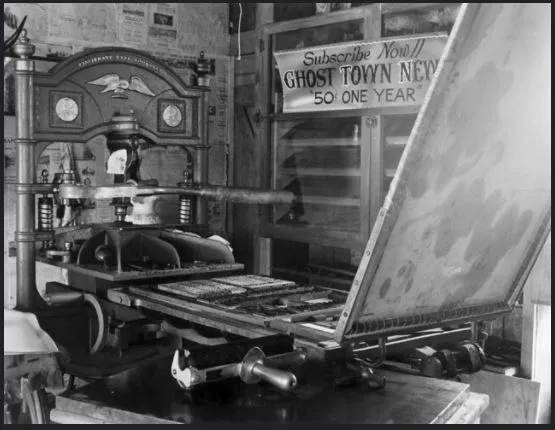
Photo: René Zieger for Wikimedia Deutschland e.V., CC BY-SA 4.0, via Wikimedia Commons
There is a noticeboard in the foyer of Inverness Library that does more local advertising than most social media accounts. It is not stylish. It is a sheet of A4, a drawing pin and a phone number. And on a wet Tuesday in November, it gets read by people who are not in the group chat.
Let us be clear: this is not nostalgia. A WhatsApp group is faster, cheaper and better for coordination. But coordination is not the same as reach. A printed notice is local infrastructure — a low-tech distribution channel that puts a message in front of people who are already out in the world, waiting, queuing or killing five minutes.
Who actually stops to read
Not everyone. Nobody is arguing that. But the noticeboard reaches a stubborn slice of the local population: older residents who do not use Facebook; parents waiting for a class to finish; shift workers who missed the group message; new arrivals who have not yet found the right group to join; people who use the library, the health centre or the community centre but never open a neighbourhood app. The group chat tells the already-connected. The noticeboard tells the people who have not been told.
Where the good boards live
The useful ones are not in polished reception areas. They are near a queue, a kettle or a door people use every day. In Inverness, that means library foyers, community centre corridors, GP and dental waiting rooms, laundrettes, village halls and the windows of convenience stores. The board at Merkinch Community Centre, the notice run at Hilton Community Centre, the foyer at Inverness Library on Farraline Park, the hall noticeboards out towards Beauly and Kirkhill — the exact list changes, but the principle does not: put the sheet where people already stand still. A notice in a locked vestibule is a diary entry. A notice by the till is a conversation.
Design for a ten-second read
Most people give a notice ten seconds, max. Design for that, not for a leisurely read. One sheet, one job. A headline of six to ten words, set large — think 72pt or bigger on A4 — with the date, time and place in one block. Phone number at least 24pt. If you need a paragraph to explain the event, you need a different sheet or a QR code as a bonus, not as the only route in. Use strong contrast: dark text on white or cream, no photo behind the words, no script font. Leave a 15mm margin so the pins do not go through the address. Laminate anything that will live near a door. And put an updated date on it: 8 November 2026, for example. A dated sheet looks maintained. An undated one looks abandoned.
The annual budget
Here is a realistic 2026 budget for a community group or small business keeping a printed sheet in circulation. Design: £0 if you use a volunteer or Canva template; £75–£150 if you pay a local designer for a reusable template. Print: 100 A4 posters on 160gsm at roughly 30–50p each, so £30–£50; 500 A5 flyers on 130gsm for £35–£60. Laminating pouches: £10–£15. A decent A1 frame or two: £30–£60. A quarterly four-page A5 newsletter, 250 copies, might be £70–£120 per issue, so £280–£480 a year. Total for a single-sheet campaign: around £100–£200. Total for a regular monthly or quarterly printed presence: £300–£600. Prices exclude VAT and delivery. The point is not that print is free. The point is that it is cheap enough to be a sensible second channel, not a sentimental luxury.
Keep it current
The main failure mode is not design. It is decay. A board full of last month's coffee mornings teaches people to stop looking. Give one person the job of taking old sheets down. Date everything. Replace, don't add. If the notice is for an event, take it down the day after. That small discipline is what separates a noticeboard that works from a collage of good intentions.
So no, the noticeboard is not nostalgia. It is a cheap, local, trusted distribution point that reaches the people the group chat quietly misses. If you run a community group or a small Highland business, print the sheet. Pin it where people queue. Then check it in a fortnight. That is not a backward step. It is just good coverage.