The Long Road to the Kitchen Board: Invitation Print for Highland Weddings
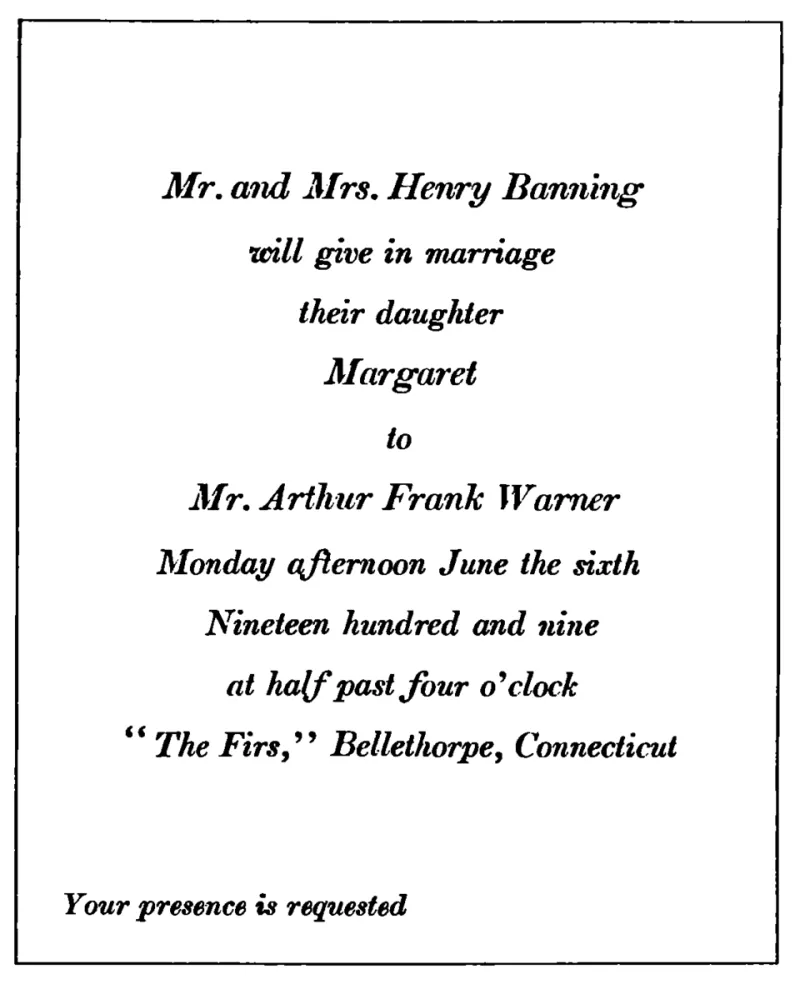
Photo: Jean Wilde Clark, Public domain, via Wikimedia Commons
A wedding invitation has a job to do before it has a look. It has to get from a printer in Inverness, or a kitchen table in Beauly, to a farm track above Bonar Bridge, a flat in Glasgow, and a house on Skye with a name rather than a number. It has to survive a damp Tuesday, a sorting office, and possibly a ferry. Only then does it get to sit on somebody鈥檚 kitchen noticeboard for six months. That is the test worth designing for.
Start with the journey, not the font
Before you fall down a rabbit hole of typefaces, make two lists. One is everyone who will receive an invitation by post. The other is everyone you can reasonably hand one to at a wedding fair, a church service, a pub night or a family Sunday. Highland weddings often have a healthy hand-delivery list, and that is not cheating. It is sensible logistics.
For the posted list, check the addresses properly. Rural addresses can include a house name, a farm name, a township and a postcode that covers more ground than you expect. Ask guests to confirm their full postal address and postcode if you are unsure. It feels fussy. It is less fussy than reprinting forty invitations because half of them went to the wrong side of a glen.
If you are planning a 2026 wedding, give yourself a realistic print deadline. A local print run can be quick, but proofing, envelope sourcing and a second look at the guest list all take time. Build in a week you do not need.
Paper weight and the weather
Invitation card usually sits somewhere between 300gsm and 400gsm. That is heavy enough to feel like an occasion, but not so rigid that it cracks in a letter sort. Inserts, such as directions or a list of local accommodation, can be lighter: 120gsm to 150gsm is plenty. If you want a folded invitation, ask the printer how the fold will sit in the envelope. A beautiful folded card that arrives creased is nobody鈥檚 idea of a keepsake.
Matte stocks are forgiving. They take handwriting well, hide fingerprints, and do not flash under kitchen lighting. Very textured paper looks lovely in a sample book but can fight with small type. If your invitation includes a map, a schedule or a long note about parking at the venue, keep the paper smooth enough for the details to stay readable.
Ask your stationer or printer for a physical sample pack. Hold it. Bend it gently. Imagine it in a coat pocket. That is more useful than a screen preview.
Envelopes fit for a single-track road
Envelope choice is where practical print earns its keep. A decent quality envelope with a reliable gummed or peel-and-seal flap will cope better with damp than a thin, shiny one that feels as if it has been ironed. If you are posting in autumn or winter, avoid envelopes that need licking shut in a cold hall. Peel-and-seal is not glamorous. It is reliable.
Consider a slightly larger outer envelope if you are including an RSVP card and a stamped return envelope. It protects the edges and gives everything room to move without bulging. Weigh one complete invitation at the stationers before you buy stamps in bulk. Royal Mail letter and large letter sizes have limits, and a heavy card plus a return envelope can tip you over without warning.
Write the address clearly, or print labels in a clean, plain font. Handwritten addresses have warmth, but legibility comes first. Put your return address on the back of the envelope. If something goes astray, it has a better chance of finding its way home.
The RSVP card and the second envelope
A traditional RSVP card still works well in the Highlands, especially for older guests who are not glued to a wedding website. Give people a clear deadline, a phone number or email for questions, and a simple way to reply. If you include a stamped return envelope, check the stamp value against the size and weight of what is going back. A beautiful card that needs a trip to the post office can sit on a hall table for a fortnight.
Dietary requirements, accessibility needs and song requests can all go on one small card. Keep the wording plain. 鈥淧lease reply by 1 May鈥 is better than a paragraph of polite hedging. And keep a spare copy of your own RSVP card in the folder. When a guest rings to ask what they are meant to do, you will be glad you can picture it.
Proofs, lists and the local print run
Always ask for a physical proof. Not a PDF on a phone, but a printed sheet you can hold. Check names, spellings, the date, the venue, the time and the postcode of the reception. Read it aloud to someone else. The mistakes that survive proofing are usually the ones everyone has looked at but nobody has read.
Order a few extra invitations. Ten per cent is a reasonable buffer for lost envelopes, last-minute guests and the one that gets water damage on a windowsill. If you are using a local printer, collection is a small pleasure. You can check the box before you leave, ask about reprints, and avoid a courier van turning into a glen road it was never designed for.
The keepsake test
A wedding invitation does not have to be elaborate. It has to be clear, sturdy and pleasant to keep. Pin a proof to your own kitchen noticeboard for a week. Can you read the date from the kettle? Does the paper curl? Does the envelope still close? If it passes that test, it will probably survive the road to the glen.
The best Highland invitations are not the ones that look most expensive. They are the ones that arrive intact, say what they need to say, and stay on the board until the last guest has booked their bed and breakfast. That is a good piece of print, however far it has travelled.