Thirteen Months, One Wall: A Highland Calendar Run That Pays Its Way
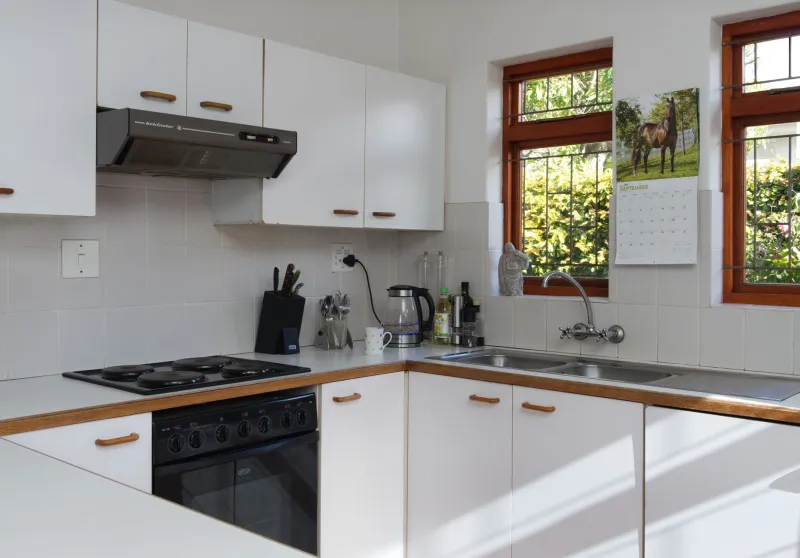
By the second week of November 2026, plenty of Highland kitchen walls are already getting crowded. There is the school timetable, the bin day note, a reminder about the community council meeting and, somewhere near the fridge, a calendar that someone’s cousin’s scout group sold last winter. It is a humble object, but it still works. A calendar gets looked at every day, which is more than can be said for most fundraising ideas.
That is why so many community groups, charities and small businesses around Inverness and the wider Highlands come back to the wall calendar. It suits the season, it suits the kitchen and it gives local advertisers a reason to hand over money without feeling like they are buying a raffle ticket. The trick is not simply printing a calendar. It is printing the right number, with the right pictures, at the right time, and getting it onto walls before the Christmas market closes.
Start with the wall, not the printer
Before anyone opens a photo folder or asks for a quote, ask what the calendar is for. A village hall fundraiser, a football club, a church roof and a local business’s customer gift all need different things. The village hall calendar can be proudly local, with photographs of the park, the gala and the muddy path to the beach. A business calendar has to work harder as a brand object, though it can still feel like it belongs in a Highland home rather than a corporate brochure.
Think about the wall itself. Most people have space for A4, and many prefer it. A3 looks generous but can be awkward above a kettle. A slim, spiral-bound calendar with a proper hanger is easy to live with. If the calendar is going to be posted to family members south of the border, weight matters too. A beautiful object that costs a fortune to mail is a harder sell.
Choose pictures that survive twelve months
A calendar is not a photo book. It has to be looked at in February, when the novelty of a snowy loch has worn off, and in September, when the school term is back and the kitchen is full of shoes. The strongest Highland calendars mix scale and intimacy: one big landscape, one community event, one close-up of weather or work, one photograph that makes someone say, ‘I know that place.’
Check resolution before you fall in love with a picture. Phone photographs can work if they are sharp and well lit, but screenshots and social media downloads rarely do. Aim for images that will reproduce at 300dpi at the final printed size. If faces are recognisable, especially children’s faces, get permission and keep a record. Credit photographers where appropriate, even if they are volunteers. It costs nothing and builds goodwill for the next run.
Captions are part of the design, not an afterthought. A short line naming the place or the event is enough. Avoid cramming every month with text. The calendar’s job is to be useful, and that means leaving room for scribbled appointments, birthdays and the dates the ferry is off.
Paper, binding and the Highland year
For a fundraising calendar that will be handled daily, a 170gsm to 200gsm silk paper is a sensible middle ground. It takes print well, feels substantial and does not make the calendar too heavy. A cover around 250gsm to 300gsm gives it a bit of spine. Gloss is fine, but matt finishes often suit local photography better and show fewer fingerprints near the cooker.
Spiral binding is the practical choice for a wall calendar. It lies flat, turns easily and can be hung with a loop or hook. A wire hanger adds a little cost but saves the buyer from hunting for a nail. If the calendar is going to be sold in shops, check that the binding and packaging will survive a display stand. A simple clear bag can keep it clean without hiding the cover.
Ask for a proof. A proper proof will show you whether the dark greens of a pine wood have turned into a muddy block, whether the small print is legible and whether the advertising panels look balanced. It is much easier to fix those things before the run than after 500 calendars arrive in the hall.
Sell the advertising slots before you print
Advertising is often what turns a nice idea into a fundraiser. Local businesses understand the value of being on a kitchen wall for a year, especially if the calendar is sold across a defined area. A garage, vet, joiner, café, hairdresser and farm supplier can all fit comfortably if the slots are designed with care.
Keep the adverts small and consistent. A border, a logo and a line of contact detail are usually enough. Set a clear rate, a deadline for artwork and a simple specification for logos. If a business wants a bigger presence, offer a sponsor line on the cover or a month page rather than letting one advert dominate. Be honest about the number being printed and where the calendar will be sold. Local advertisers are more likely to come back if they can see the calendar in the wild.
Pre-orders, print numbers and the Christmas cliff
This is where most calendar projects succeed or stumble. The print run should not be a guess made in a vacuum. Start taking pre-orders in late October or early November. Use a paper order form at the school gate, a notice in the shop and a simple online form. Ask people to pay up front if you can. A paid pre-order is a much better signal than a nod and a promise.
Work out your quantity from confirmed orders, a modest allocation for local shops and a small overage for replacements and late buyers. A common mistake is ordering too many because the first week feels busy. Another is ordering too few and missing the final Christmas rush. Ask your printer about tiered quantities and delivery dates. On 8 November 2026, a 2027 calendar should already be close to final proof, with advertising artwork confirmed and a delivery slot booked for late November.
Plan the last order date for posted copies and the last collection date for local buyers. Keep a few copies back for the community shop, the office and the inevitable request from someone who meant to order in October. If there are leftovers in January, they can still sell at a discount, but they should not be the reason the fundraiser fails to pay its way.
A short checklist for the final weeks
- Confirm the cover image and the twelve month images at print resolution.
- Collect photographer credits and permissions for recognisable faces.
- Agree advertising rates, artwork deadline and sponsor placement.
- Get a physical or PDF proof and check dates, spellings and logos.
- Set pre-order, shop allocation and overage quantities.
- Book delivery for late November and arrange collection points.
- Keep a simple record of sales, costs and leftover stock for next year.
The Highland kitchen wall is not a glamorous market, but it is a loyal one. A well-made calendar earns its place beside the kettle, reminds people of the place they live and gives a local group a reason to knock on doors with something worth buying. Get the print run right in the final weeks of 2026, and the 2027 calendar can do its job long after the Christmas decorations are back in the box.